Robin Batchelor, a balloon pilot for 50 years, recounted his journey from a model airplane enthusiast to a professional balloon pilot. Inspired by a magazine photo, he met Don Cameron, a balloon builder, and began learning the craft. He helped retrieve balloons, leading to a job at Thunder Balloons, where he cut fabric and assembled balloons. Later, he co-founded the Hot Air Balloon Company, pioneering commercial balloon advertising. Notable projects included flying over the Eiger for a commercial and working on films like "Green Ice" and "The Aeronauts." Despite challenges, his passion for ballooning remained strong.
Early Ballooning Experience
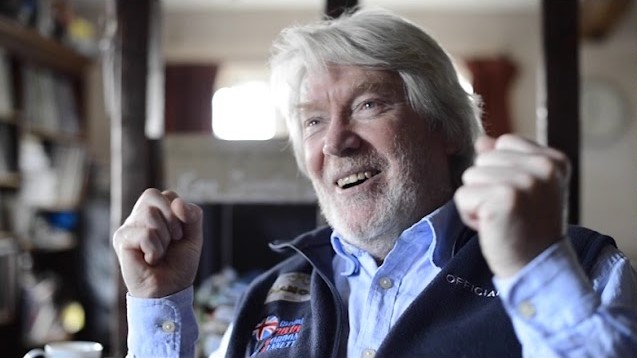
Robin Batchelor introduces himself as a balloon pilot with 50 years of experience and 4000 hours logged.
He recounts seeing a photograph of Don Cameron, a famous balloon builder, which sparked his interest in hot air ballooning.
Robin contacted Don Cameron, who invited him to a symposium in Bristol, where he witnessed the first balloon built by Don and Tom Sage.
He describes his first balloon flight experience, which was on a tether, and his subsequent involvement in retrieving balloons.
Joining Thunder Balloons
Robin met Tom Donnelly, who persuaded him to help retrieve balloons due to his skills in driving and map reading.
He began learning all aspects of ballooning, including inflating, packing, and map reading.
Robin decided to set up a company in London to build balloons, leaving his job in computers.
He joined Thunder Balloons, the first competitor to Cameron Sound in Bristol, and started building balloons.
Building and Assembling Balloons
Robin's job at Thunder Balloons involved cutting out fabric panels, ordering different colors, and applying registration numbers.
He learned the importance of accurate cutting to avoid puckering in the balloon fabric.
Robin also cut wires to precise lengths, swaged loops, and fitted valves and hoses to burners.
Baskets were built by blind workshops in East Kent Road, and Robin enjoyed his visits there.
Media and Marketing
Robin was invited to appear on the television program "Opportunity Knocks" by Hughie Green.
He took baskets to a lock-up in Ealing, fitted valves into tanks, and prepared squash covers for balloons.
The office was a lively place with Capital Radio playing, and Kenneth Simmons was the financial backer.
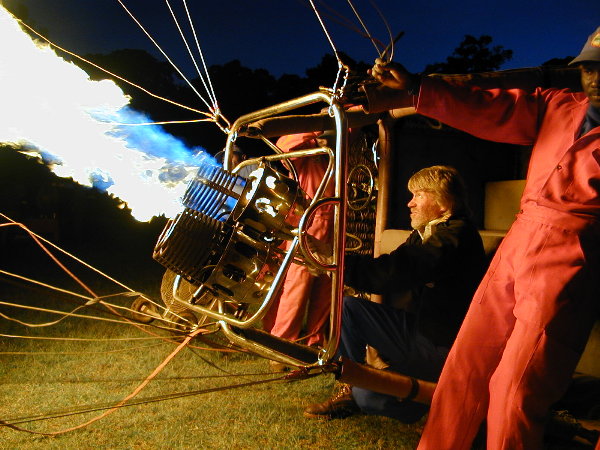
Robin gained experience flying balloons at Marshall Benham in Newbury and eventually got his pilot's license.
Starting the Hot Air Balloon Company
Colin Prescott, a marketing executive, saw Robin on "Opportunity Knocks" and decided to set up an advertising company for balloons.
They formed the Hot Air Balloon Company in 1976, which became the first successful company to fly commercial balloons.
The company built relationships with companies like Prize Yogurt, Faisals, and Gold Chocolates.
Robin describes the team as a perfect mix of young, enthusiastic people with different skills.
Special Shape Balloons and Film Work
The advent of special shape balloons led to more imaginative designs, such as Rupert the Bear and Thomas the Tank Engine.
Robin enjoyed the challenge of flying these large and heavy balloons, which required strength and enthusiasm.
He also loved film work, starting with the film "Green Ice" and later working on "Superman III" and "Enduring Love."
The film "The Aeronauts" involved flying a replica of a 19th-century gas balloon, which was a significant challenge.
Challenges in the Alps
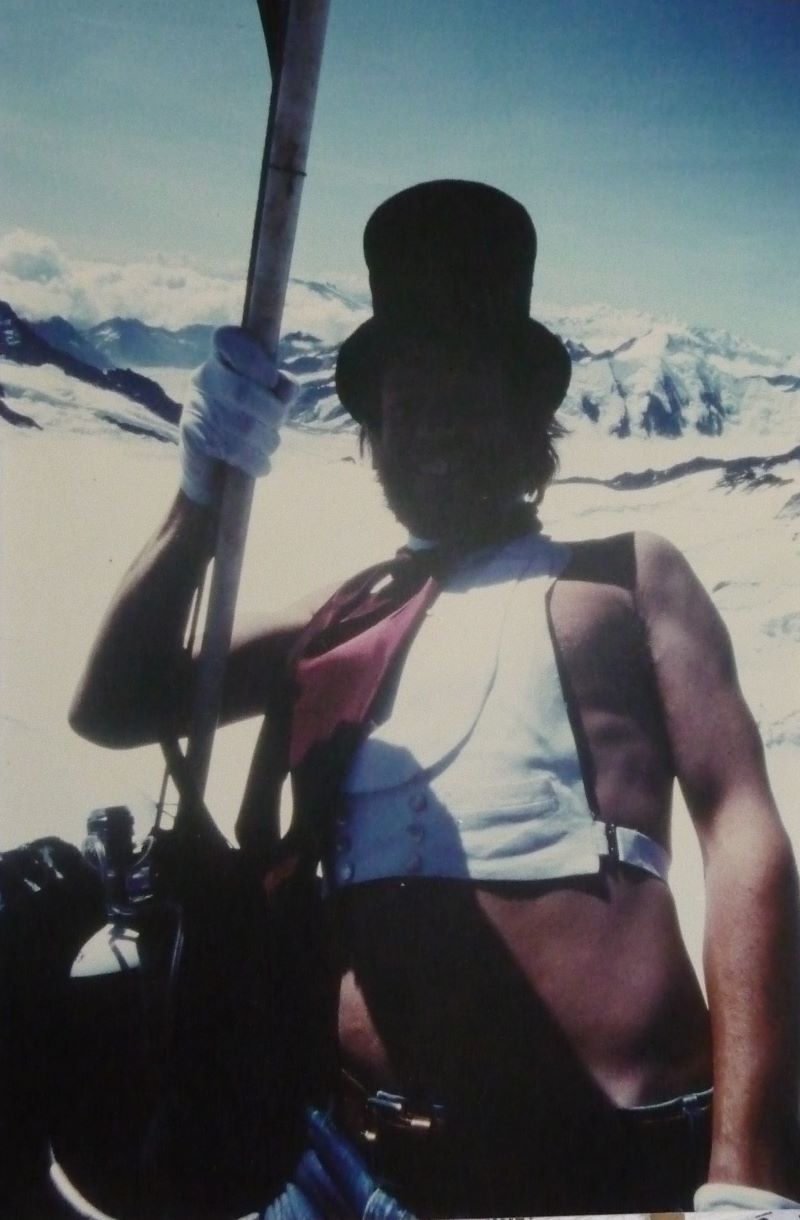
Robin recounts a memorable film project where he had to fly over the Eiger for an extra strong mint commercial.
He received advice from the RAF about flying at high altitudes and breathing oxygen.
The helicopter pilot took him to the top of the Eiger to test the wind conditions.
The flight involved descending towards the north face of the Eiger, and Robin had to land on solid ice, which was a challenging experience.
Conclusion and Reflections
Robin reflects on his career as a balloon pilot, including the challenges and joys of flying.
He mentions the importance of giving good briefings to passengers, especially in Africa.
Robin discusses the evolution of balloon technology and the increasing complexity of special shape balloons.
He concludes with a humorous anecdote about a marketing executive falling flat on an ice rink in the Alps.